


Carbon Felt for High Temperature Insulation
Carbon felt is a high-performance thermal insulation material made from polyacrylonitrile (PAN) or pitch-based fibers through carbonization in a non-oxidizing atmosphere. It is widely used in high-temperature industrial environments. With low thermal conductivity and excellent insulation properties, carbon felt is commonly applied in silicon carbide crystal growth, industrial high-temperature furnaces, optical fiber manufacturing, and other thermal processing equipment.
As a specialized carbon felt manufacturer, we supply materials designed specifically for reliable thermal insulation in demanding heat environments. Our carbon felt products can be used directly or further processed to meet specific temperature, atmosphere, and structural requirements.
Available Carbon Felt Products
GH-CH17 Carbon Felt
The GH-CH17 is a representative carbon felt model designed specifically for high-temperature insulation applications. This product is a short-fiber viscose-based rigid felt with performance directly comparable to SGL's MFA series.

Carbon Felt and Graphite Felt Materials
Untreated carbon felt is suitable for mid- to low-end high-temperature thermal environments, delivering performance far exceeding comparable products.
After high-temperature treatment at 2200-2500°C, it can be processed into graphite felt with a carbon content exceeding 99%. This material offers high surface protection, long service life, corrosion resistance, and excellent thermal emissivity, making it ideal for premium high-temperature thermal field applications.
Key Properties of Carbon Felt
With a bulk density of 0.16–0.18 g/cm³, it effectively reduces heat loss and is more suitable for thermal insulation applications.It exhibits high electrical conductivity, with a resistivity measured in ohm-centimeters (Ω·cm), primarily due to its material properties and structure.
In terms of high-temperature performance, the thermal conductivity is ≤0.23 W/m·K. Carbon felt can withstand temperatures up to about 1200°C, with a carbon content of 90–95% and a porous structure. Graphite felt offers even better high-temperature resistance, capable of withstanding temperatures as high as 3000°C.
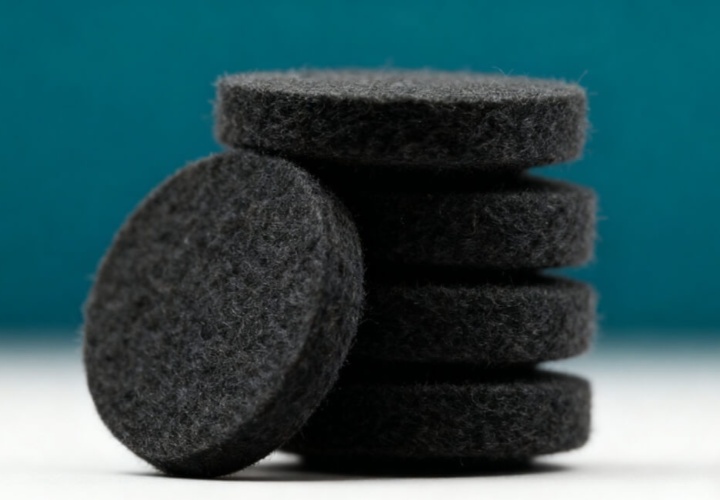
Regarding cost, graphite felt is generally more expensive than carbon felt, as it requires a high-temperature graphitization process applied to carbon felt, which is complex and energy-intensive. In contrast, carbon felt only undergoes carbonization, resulting in a relatively simpler production process.
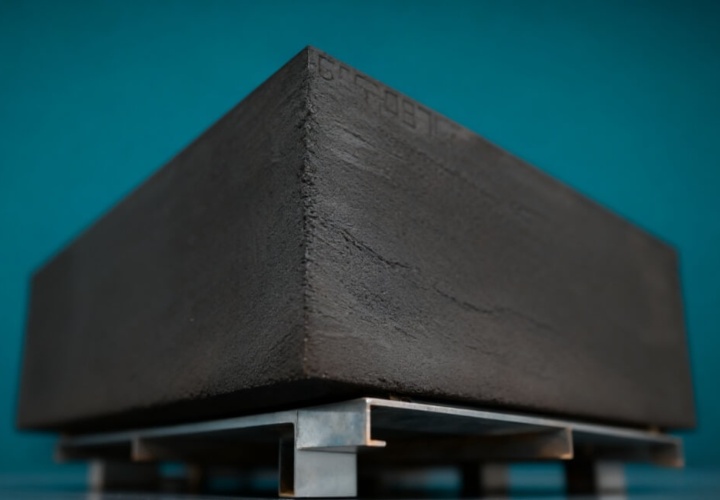
Typical Applications of Carbon Felt
Carbon felt insulation materials are widely used in:
The selection between carbon felt and graphite felt depends on operating temperature, atmosphere, and long-term performance requirements.